
Which business structure comes with the lowest tax bill? Taxpayers may think they know the answer, especially if they’ve read a few tax blogs or listened to some confident-sounding business influencers. But as tax planners, we know that there is no one-size-fits-all solution. The right entity type depends on the needs of the individual client.
When it comes to recommending an entity type, we may find ourselves in a battle against our client’s preconceived notions. For instance, they may be hesitant to switch from an S corporation to a C corporation. Doesn’t a C corporation mean higher taxes? Not necessarily. We need to educate our clients on how to make decisions the way we do: by following the math and weighing the pros and cons of each option.
The Hidden Drawbacks of an S Corp
S corporations tend to get a lot of love—and for good reason. This entity type allows us to by-pass corporate income tax, reduce self-employment taxes, and pass on gains, losses, deductions, and credits to shareholders. However, for some, the downsides may outweigh the upsides, especially if a business is switching from a C corporation to an S corporation.
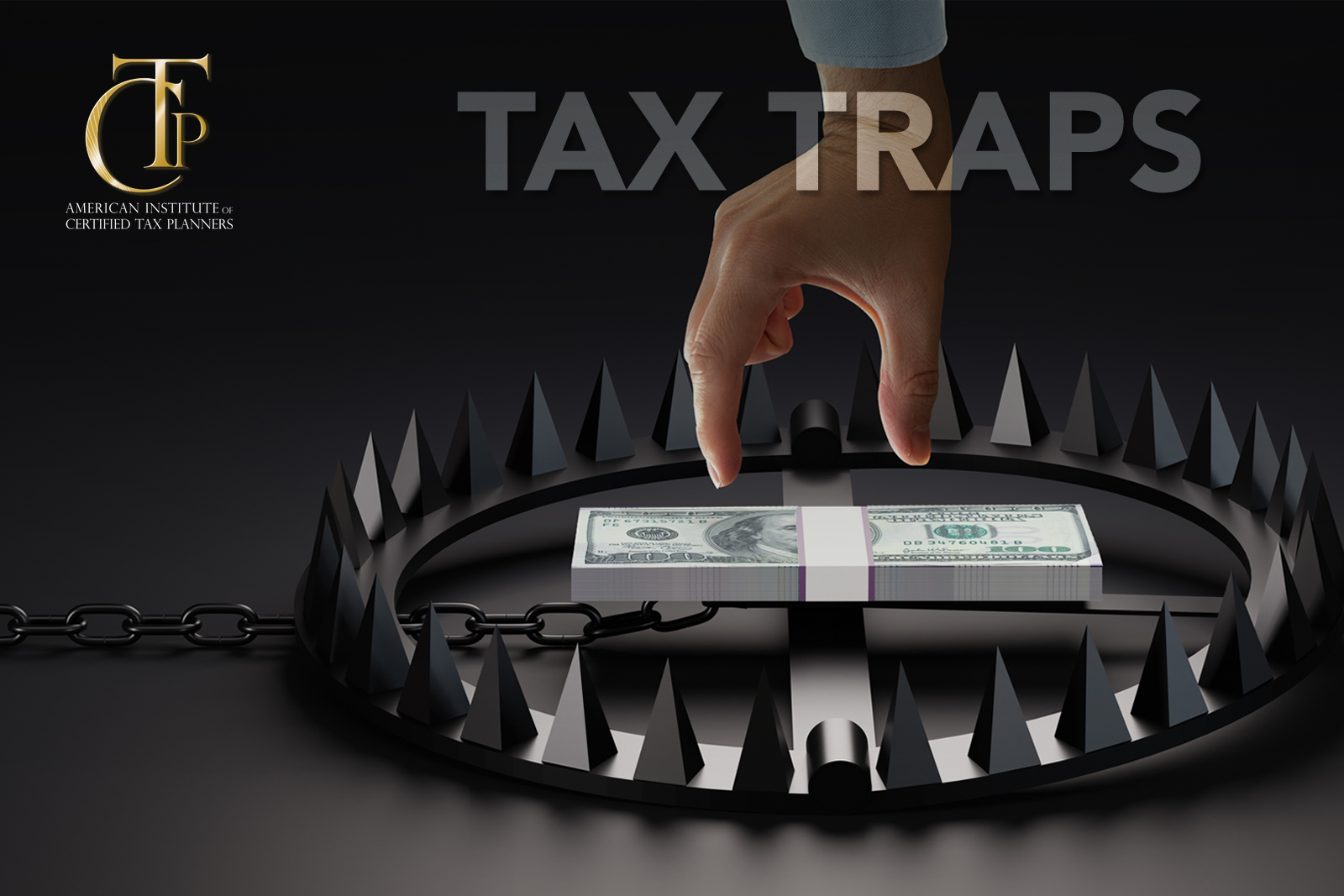
Help your clients avoid unpleasant tax surprises. Brush up on the tax traps that can come with establishing an S corporation.
Three S Corporation Tax Traps
Say a client reaches out to you and they’ve just converted their business to an S corporation—or they have their mind set on making the switch. What hidden tax consequences should you be looking for as you start to craft a tax plan?
1. Gains on the Sale of Business Assets
Because an S corporation is a pass-through entity, the shareholders are responsible for paying taxes on any gains and losses. This means that when the company sells an asset, that sale has a direct impact on each business owner’s taxes. If the sale is going to yield high taxes, you want to catch that early on so there’s still time to apply tax mitigation strategies.
2. The Excess Business Loss Limitation
S corporation owners may be hoping to take advantage of the fact that losses are passed through to shareholders. For business owners with high tax bills, the deductions from these business losses can provide significant tax relief. There is a catch, though. The IRS limits how much business loss taxpayers can use to offset nonbusiness income. If a shareholder’s income is over the threshold, they might not be able to really make use of this tax benefit. This is where timing can really matter! Explore ways to shift deductions to a tax year where it will make the most impact.
3. Accrued Excess Passive Income
Excess passive income can pop up when a C corporation converts to an S corporation. This can be a major problem because if a business has accumulated earnings and profits (AE&P) from its time as a C corp and more than 25% of its gross receipts are from passive income. If both are true, the business may be required to pay corporate income tax, and it may even lose its S election. Make sure you’re familiar with the rules around excess passive income and how to account for that in your tax plan.
The Right Entity Type Makes All the Difference
Business owners get themselves into trouble when they jump on the latest tax savings bandwagon without weighing the consequences. A S election can yield major tax savings, but it can also result in unsavory tax surprises. The difference is thoughtful tax planning, and that is exactly what you can bring to the table as a trained professional.
Want to Level Up Your Skills?
The American Institute of Certified Tax Planners trains you to shift your thinking from reactive to proactive. Instead of relying on cookie-cutter tax tips, you’ll develop the ability to analyze each client’s tax situation and create a customized plan that maximizes their savings. Not only does this benefit the taxpayer, it also allows you to enlist quality clients and receive premium rates that reflect the true value you offer.
Get started on your next chapter of tax planning by applying to become a Certified Tax Planner.